How a Queue Management System Cuts Customer Wait Times
Long queues quietly cost you customers and staff sanity. Here's how a modern queue management system shortens perceived and actual wait times — with tokens, AI voice announcements, and real-time tracking.
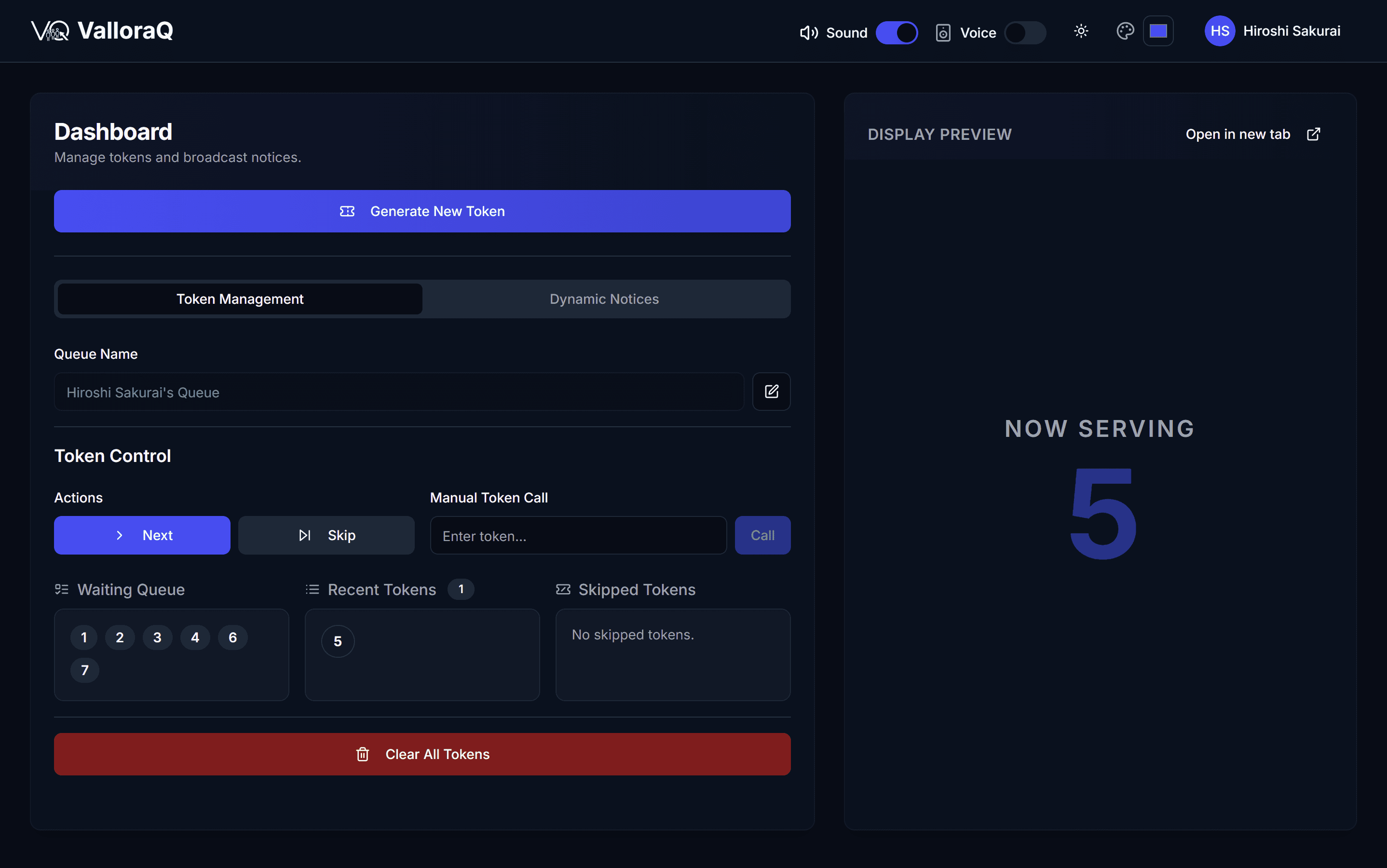
Nobody has ever left a review praising how long they stood in line. Queues are one of the most reliable ways to frustrate customers, burn out front-desk staff, and lose walk-ins who take one look at the crowd and leave. A queue management system fixes the experience on both sides of the counter — and the wins are bigger and faster than most operators expect.
Here's how it works and why it cuts wait times.
Two kinds of waiting (and you can shrink both)
There's a useful distinction in service design: actual waiting (the minutes on the clock) and perceived waiting (how long it feels). A good queue system attacks both.
- Actual waiting falls because service runs in a clean, prioritized order. No double-serving, no "who's next?" confusion, no staff time lost managing the line itself.
- Perceived waiting falls because uncertainty disappears. Research in service operations consistently finds that unexplained, unknown waits feel far longer than waits where you can see your position. Show people where they stand and the same wait feels shorter.
The core features that do the work
Smart token generation
Instead of a physical line, each customer gets a digital token. That alone removes the anxiety of guarding your spot and lets people sit, browse, or step out without losing their place.
Real-time tracking
A live display — and optionally the customer's phone — shows the current number and their position. Visibility is what converts a stressful wait into a tolerable one.
AI voice announcements
When a counter frees up, an AI voice announcement calls the next token clearly, in the right language, across the floor. Staff stop shouting numbers and customers stop missing their turn. This is one of the most underrated features in modern queue tools like ValloraQ, which pairs token generation with AI voice announcements and real-time tracking out of the box.
Multi-counter routing
When you have several counters, the system routes the next customer to the first available one and balances load automatically — which is where the biggest time savings come from.
What changes for the business
Cutting wait times isn't just a courtesy. It moves real numbers:
- Fewer walkaways. People who would have left at the sight of a long line now take a token and stay.
- Higher throughput. Staff spend their time serving, not refereeing the line.
- Calmer floor. Clear announcements and visible order reduce conflict and stress for everyone.
- Useful data. You finally see peak hours, average service time, and counter performance — so you can staff to demand instead of guessing.
Where it matters most
Queue management pays off anywhere people wait at a counter with variable demand:
- Healthcare — clinics and OPDs where patient flow is unpredictable (closely related to outpatient management).
- Banking and government — high-volume counters with strict fairness expectations.
- Telecom and service centers — long, multi-step interactions.
- Retail — billing counters during peaks and sale events.
If you run a single counter with light, steady traffic, you may not need this yet. The moment you have multiple counters or spiky demand, the math tips quickly in favor of a system.
Rolling it out
You don't need a hardware overhaul. A practical rollout looks like:
- Start at your busiest counter cluster, where the pain — and the payoff — is greatest.
- Issue tokens on-site or by link so customers need no app.
- Add displays and voice announcements so calling the next customer is automatic.
- Watch the analytics for a week, then adjust staffing around your real peaks.
The bottom line
A queue management system shortens the clock and the feeling. Tokens remove the anxiety of holding your place, real-time tracking removes uncertainty, AI voice announcements remove missed turns, and smart routing keeps every counter busy. The result is shorter waits, fewer lost customers, and a calmer team.
If you want to see intelligent token management and AI voice announcements working together, explore ValloraQ or book a demo.
Frequently asked questions
- What is a queue management system?
- A queue management system is software that organizes how customers wait and get served. Instead of a physical line, customers take a digital token, see their position update in real time, and get called automatically — often by an AI voice announcement — when it's their turn.
- How does it actually reduce wait times?
- It reduces both actual and perceived waiting. Actual waiting drops because staff serve in a clean, prioritized order with no confusion over who's next. Perceived waiting drops because customers can see their position and step away instead of standing anxiously in line.
- What kinds of businesses benefit most?
- Anywhere people wait at a counter: clinics and hospitals, banks, government offices, telecom and service centers, and busy retail. If you have multiple counters and variable demand, the gains are largest.
- Do customers need to install an app?
- Not necessarily. Modern systems issue tokens on-site or via a simple link, and call customers with on-screen displays and voice announcements — so there's no friction and no app to download.
Ready to launch fast and scale smart?
Kaelix Technologies builds rapid, AI-powered software for growing businesses. Tell us your workflow and we'll show you what's possible.